Introduction: What Is a Stroke?
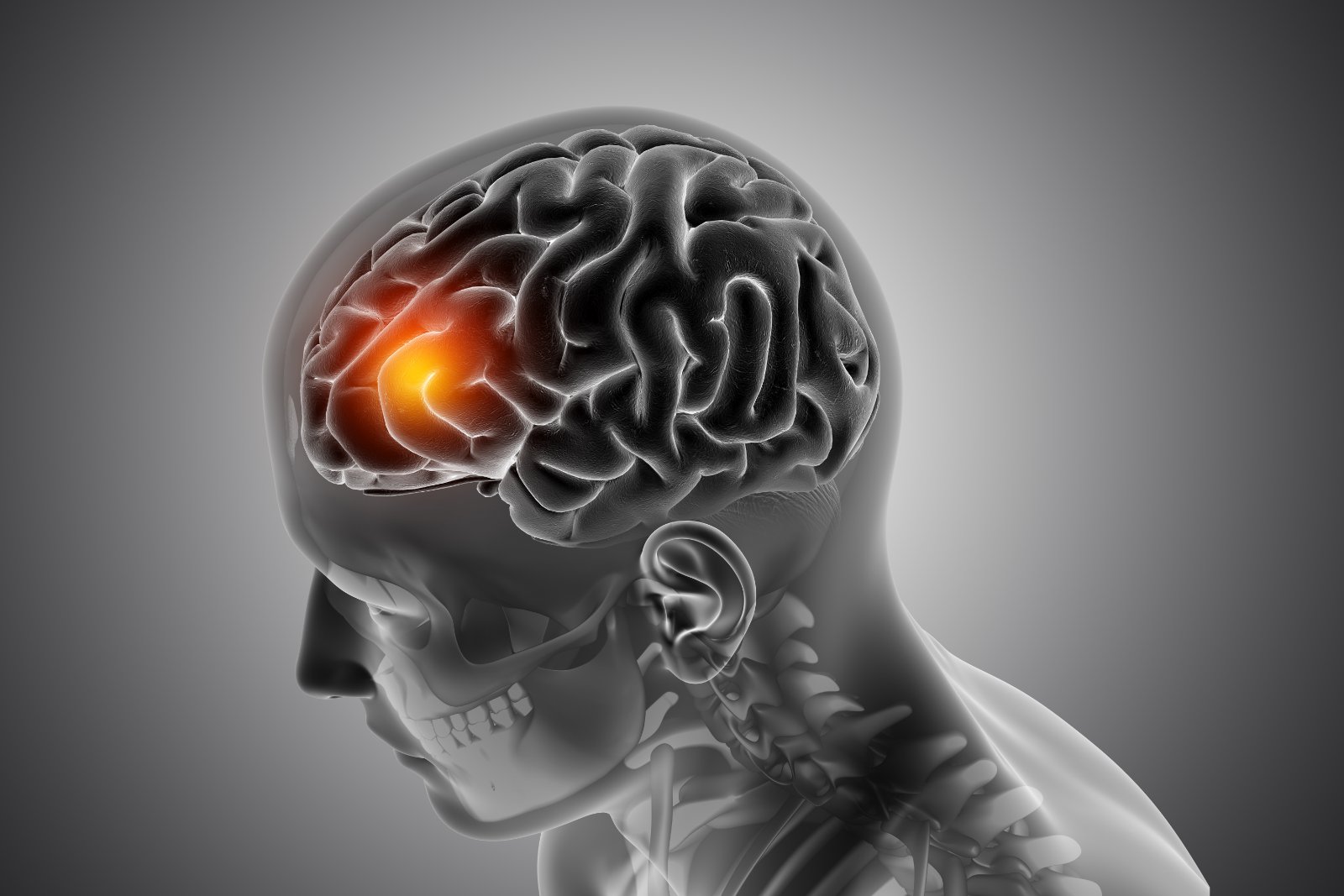
Strokes are serious medical emergencies. They happen when blood flow to the brain stops or is reduced. Because the brain needs oxygen, a stroke can cause lasting damage. There are different types of strokes, and each type needs quick care. According to the CDC, strokes are a leading cause of death and disability worldwide. However, knowing the types and symptoms can help save lives.
Main Types of Strokes
There are three main types of strokes. Each type affects the brain differently. Let’s look at each one:
Ischemic Stroke
Most strokes are ischemic. In this type, a blood clot blocks a blood vessel in the brain. As a result, brain cells do not get enough oxygen. This can cause brain damage quickly.
Hemorrhagic Stroke
In a hemorrhagic stroke, a blood vessel in the brain bursts. Because of this, blood leaks into the brain. This type is less common but often more severe.
Transient Ischemic Attack (TIA)
A TIA is sometimes called a “mini-stroke.” It happens when blood flow to the brain stops for a short time. Symptoms last less than 24 hours. Even though symptoms go away, a TIA is a warning sign for future strokes.
Symptoms of Each Type of Stroke
Stroke symptoms often appear suddenly. However, symptoms can differ by stroke type. Early recognition is key. Here are common signs:
For all types of strokes, remember the FAST test:
Causes and Risk Factors
Different types of strokes have different causes. But some risk factors are common to all.
Additionally, age, family history, and lack of exercise can raise stroke risk.
How Are Strokes Diagnosed?
Doctors use several tests to diagnose the types of strokes. Early diagnosis is important. Common methods include:
Because symptoms can be similar, these tests help find the exact type of stroke.
Treatment Options for Each Type of Stroke
Treatment depends on the type of stroke. Quick action can reduce brain damage.
Ischemic Stroke Treatment
Hemorrhagic Stroke Treatment
TIA Treatment
After treatment, rehabilitation helps people regain lost skills.
Stroke Prevention Tips and Lifestyle Guidance
Although some risk factors cannot be changed, many strokes can be prevented. Here are some tips:
Additionally, regular check-ups help find problems early. For people with a history of stroke, following the doctor’s advice is very important.
When to Seek Emergency Care
If you notice any stroke symptoms, act fast. Even if symptoms go away, call emergency services right away. Early treatment can save lives and reduce long-term problems. Never wait to see if symptoms improve on their own.
Conclusion
Strokes are serious but treatable. Knowing the types of strokes, their symptoms, and treatment options can make a big difference. If you notice any stroke symptoms, consult Dr Sriram immediately for personalized advice.